
28July 2026
If you own a home in Toronto or the surrounding GTA, your fence takes a beating every single year. Between heavy winter snowfall, freeze-thaw cycles, high winds, and damp spring weather, exterior wood structures undergo constant stress. When a fence starts leaning, sagging, or showing broken boards, most homeowners immediately wonder what it will cost to fix.
A standard fence repair in 2026 typically ranges from $150 for minor cosmetic fixes to $1,500 or more for major structural stabilization. However, the true cost depends heavily on whether you are fixing a quick surface issue or addressing the underlying structural problem causing the damage in the first place.
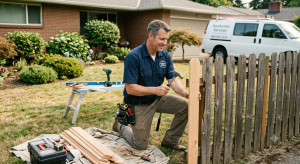
The Biggest Misconception About Fence Repair Costs
Working as a handyman in downtown Toronto, the biggest mistake I see homeowners make when estimating repair costs is assuming the price is only about replacing visible boards. People look at a leaning fence or a few broken pickets and think it is a quick $100 to $200 fix.
In reality, visible damage is usually just a symptom. The real issue is almost always hidden behind or beneath the fence. Rotted posts below ground level, shallow post footings shifting from freeze-thaw cycles, poor drainage pooling water at the base, and failed hardware are the true culprits.
If you simply slap new boards onto a failing support structure, you are placing a temporary bandage on a bigger issue. The fence will start leaning again in a year or two, and you end up paying twice. The hidden cost in 2026 is the labor required to properly diagnose and fix that root problem.
Another cost factor downtown homeowners often overlook is site access. Properties with narrow yards, laneways, gardens, decks, or neighboring structures make repairs more time-consuming. Carrying materials through tight spaces, protecting landscaping, and manually removing old concrete and posts all add labor time.
My advice is to focus less on getting the absolute cheapest repair quote and more on understanding what is actually being fixed. Spending a little more upfront to fix the core issue saves frustration, money, and repeat service calls down the road.
Realistic 2026 Fence Repair Cost Breakdown
Repair pricing in the local market varies depending on material choices, job complexity, and site access. Here is what you can realistically expect to pay for common fence repairs.
Single Fence Post Replacement
Replacing a single post costs between $250 and $500 per post. While swapping a post seems simple, it requires removing the damaged post, digging out the existing concrete footing, preparing a deeper hole, setting the new post properly, and reconnecting the fence section. In older properties, posts were often not installed deep enough, so correcting the depth is essential to prevent future leaning.
Picket or Individual Board Replacement
Replacing a few damaged pickets or boards generally runs between $150 and $400 for a small repair. The overall cost depends on matching the existing fence material, staining or painting requirements, and how accessible the area is.
Fence Panel Repair or Replacement
Fixing or replacing an entire fence panel ranges from $300 to $800 per section. If a panel is damaged from wind or a fallen branch, repairing the existing section is often possible. If the panel is severely warped or broken, installing a new panel is the better long-term choice.
Gate Adjustment or Repair
Adjusting or repairing a gate typically costs between $200 and $600. Gate issues are extremely common because seasonal ground movement shifts the latch posts. Homeowners often think they need an entirely new gate when the actual problem is a sagging hinge, loose hardware, or a settling post that needs realignment.
Structural Straightening and Stabilization
Straightening and stabilizing a leaning fence line ranges from $500 to $1,500 or more. This repair involves replacing failing posts, resetting sections, improving support footings, and correcting overall alignment. This is where homeowners save the most money compared to a full replacement, which can easily cost $3,000 to $8,000 depending on the length of the run.
How Material Choices Impact Your Repair Budget
The material you choose plays a major role in both upfront cost and long-term durability.
Pressure-treated wood offers the lowest upfront cost and is the most common choice for budget-conscious repairs. It handles local winter conditions well when installed correctly, though it requires staining or sealing every few years to maximize its lifespan.
Cedar comes with a higher upfront price tag but provides a natural, attractive appearance. It is naturally resistant to moisture and insects, making it a great option when appearance is a top priority, though it still benefits from regular maintenance.
Composite materials carry the highest upfront cost. While composite is low-maintenance and highly resistant to rot, repairs can be more expensive and difficult because matching older composite profiles and colors can be tricky.
Regardless of the material you choose, proper installation matters most. A premium material installed incorrectly will fail far faster than standard pressure-treated wood installed with proper post depths and solid footings.
Case Study: Saving Thousands with a Structural Reset
One project that stands out was a fence repair I completed for a homeowner in downtown Toronto. They had an older wood privacy fence along the side of their property that was leaning significantly after a few harsh winters. Looking at the uneven line, the homeowner assumed the fence was beyond saving and was preparing for a complete replacement.
When I inspected the structure, I found that the fence boards were actually in decent condition. The real failure was underneath. Several posts had rotted at ground level, and the original footings were set too shallow to withstand freeze-thaw soil movement.
Working on a narrow downtown lot meant carefully managing limited space between the house and the property line. We supported the existing fence panels, removed the failing posts, dug deeper holes below the frost line, and reset new pressure-treated posts in fresh concrete. We then reattached the original panels, straightened the line, and made minor board repairs.
The entire repair cost the homeowner between $600 and $800. A full fence replacement for that same run would have cost between $3,000 and $5,000 due to material costs, disposal fees, and extra labor for tight access. Taking the time to address the underlying structural problem saved the homeowner thousands of dollars while leaving them with a sturdy, straight fence.
Red Flags to Watch Out For When Hiring a Contractor
Focusing strictly on the lowest estimate often leads to disappointment. A price that is suspiciously cheap usually means crucial steps are being skipped. Watch for these warning signs when evaluating quotes.
A Quote That Is Dramatically Lower Than Others
If one estimate is hundreds of dollars below the rest, ask why. Low quotes often leave out necessary items like old material disposal, hardware upgrades, proper concrete footing work, site cleanup, or matching existing wood.
Ignoring the Underlying Structure
Be cautious of anyone who looks only at damaged boards and promises a quick fix without checking the posts. A qualified professional should inspect whether the posts are rotting below ground, check how deep they were set, examine soil drainage, and test rail connections.
No Mention of Utility Locates
Any repair that involves digging out old posts or setting new ones requires checking for underground utility lines. A contractor who skips discussing utility locates is taking unnecessary safety and legal risks with your property.
Overlooking Property Lines and Boundaries
Many older urban homes share boundary fences with tight access. A good contractor will ask whether the fence is strictly on your property, whether it is shared with a neighbor, and if everyone involved is aware of the repair work.
Vague Pricing and Lack of Local Experience
Avoid verbal quotes like “it should be around $500.” Insist on a written breakdown detailing materials, specific repair areas, labor, disposal, and potential add-ons. Furthermore, make sure your contractor understands local soil conditions, winter frost movement, and aging wood structures.
DIY vs. Hiring a Professional
My general rule for deciding between DIY and hiring a professional comes down to structure versus cosmetics.
Handle it yourself if the task is purely cosmetic or minor. Replacing a few loose pickets, tightening loose screws, applying protective stain, or repainting are great DIY projects that save money and maintain appearance.
Call a professional if the repair involves the structure, digging, leaning sections, gate frame rebuilding, or concrete work. Pushing a leaning fence back into place without fixing the underground post issue will only result in the fence leaning again after the next seasonal shift.
Simple Seasonal Maintenance to Extend Fence Life
Most expensive fence repairs start as small, overlooked issues. By spending ten minutes twice a year checking your fence, you can easily add five to ten years to its lifespan.
Spring Checklist
Walk the entire fence line after the ground thaws to check for leaning posts or shifting panels. Inspect the base of each post for rot or movement. Test gates to ensure hinges and latches still align. Most importantly, clear away soil, leaves, and mulch piled against the bottom boards. Trapped moisture against wood accelerates ground rot quickly.
Summer Checklist
Trim back heavy plants and vines growing against the pickets. Adjust lawn sprinklers so they do not constantly spray the wood. Tighten any loose screws or hardware, and replace small cracked boards before moisture penetrates deeper.
Fall Checklist
Clean dirt and debris from around the base before cold weather sets in. Ensure water drains away from post footings rather than pooling around them. Apply a quality exterior stain or sealer every two to four years to shield the wood against rain, snow, and freezing temperatures.
Catching minor issues early and maintaining the wood prevents premature failure, protecting your property line and your wallet for years to come.